
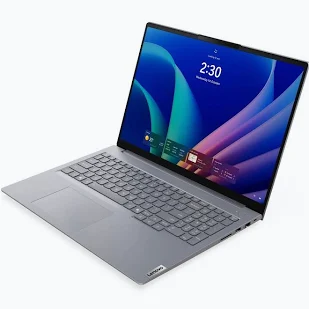
in a world increasingly powered by digital technology, one computer manufacturer continues to stand above its competitors in global sales volume.
Lenovo has maintained its position as the world's best-selling personal computer brand, outperforming major technology rivals including HP, Dell, Apple, ASUS, and Acer.
According to international technology research firm Gartner, Lenovo shipped approximately 73.6 million personal computers worldwide in 2025, securing 27.2% of the global market.
The figures represent an impressive achievement in an industry where competition is fierce, consumer expectations are constantly changing, and manufacturers are racing to introduce more powerful and intelligent computers.
But what exactly makes Lenovo the world's leading PC manufacturer, and why are millions of individuals, businesses, students, and professionals choosing its products?
How Lenovo Became a Global Technology Giant
Lenovo's story began in 1984 in Beijing, China, long before the company became an internationally recognized technology brand.
What started as a small computer business eventually developed into one of the most influential manufacturers in the global technology industry.
A major turning point came in 2005, when Lenovo acquired IBM's personal computing division, including the iconic ThinkPad laptop brand.
The acquisition gave Lenovo an established presence in international business computing and significantly strengthened its position in markets beyond China.
Over the years, the company expanded its portfolio, introducing computers designed for different categories of users, from students and home consumers to corporate organizations, engineers, software developers, and gaming enthusiasts.
By 2013, Lenovo had reached the top position in worldwide PC shipments, a significant milestone in its international growth.
Lenovo's Global Sales: What the Numbers Reveal
The scale of Lenovo's business becomes clearer when examining the latest annual shipment figures.
According to Gartner's January 2026 report, the leading personal computer manufacturers recorded the following shipments during 2025:
Manufacturer 2025 PC shipments Lenovo 73.6 million HP 57.5 million Dell 41.4 million Apple 24.8 million ASUS 18.5 million Acer 17.0 millionThese figures cover desktop and laptop personal computers, rather than laptops alone.
Lenovo's lead over HP exceeded 16 million units, demonstrating the company's significant position in the global computer market.
The ranking also highlights how Lenovo has managed to remain competitive across different customer segments despite intense pressure from other established manufacturers.
Why Do So Many People Choose Lenovo?
One of Lenovo's biggest commercial strengths is the diversity of its computer portfolio.
Unlike manufacturers that concentrate heavily on particular customer categories, Lenovo offers a wide range of products designed around different computing needs.
ThinkPad computers are particularly associated with business and professional computing, appealing to organizations and individuals seeking productivity-oriented devices.
IdeaPad laptops target everyday computing needs, including education, entertainment, internet browsing, and general office work.
Yoga devices emphasize premium designs, portability, and flexible computing experiences, including convertible laptop models.
ThinkBook computers serve professionals and smaller businesses looking for modern productivity features.
Meanwhile, Legion and LOQ products cater to gamers and users requiring stronger graphics performance.
This wide-ranging product strategy allows Lenovo to compete across multiple price categories and customer segments.
However, the company's shipment leadership does not necessarily mean every Lenovo laptop is better than competing products. Reliability, performance, battery life, display quality, and value depend on the particular model and configuration.
The 2026 Reality: Lenovo Remains Number One Despite a Difficult Market
Although Lenovo continues to lead global PC shipments, the wider computer industry is experiencing significant challenges.
In October 2026, Gartner reported that worldwide PC shipments declined by 22.4% during the third quarter of 2026, compared with the same period in 2025.
Increasing memory and storage costs, higher computer prices, and changing consumer purchasing behavior have contributed to pressure across the industry.
Lenovo itself experienced a shipment decline during the quarter.
Nevertheless, the company maintained first place, shipping approximately 15 million computers and securing 27.1% of the worldwide market under Gartner's estimates.
HP remained in second place, followed by Dell.
The results demonstrate that Lenovo's leadership is being tested by economic and supply-chain pressures affecting nearly every major manufacturer.
They also reveal an important distinction: remaining the market leader does not necessarily mean a company is experiencing uninterrupted sales growth.
Artificial Intelligence Is Changing the Future of Laptops
Another major development transforming the computer industry is the introduction of artificial intelligence into personal computing.
Computer manufacturers are increasingly developing devices capable of supporting AI-assisted productivity, content creation, communication, and data processing.
For Lenovo and its competitors, the challenge is no longer simply producing faster processors or larger storage capacities.
The next generation of computers is expected to offer smarter software experiences, improved efficiency, and tools that help people work and create more effectively.
However, AI technology also introduces challenges involving device prices, privacy, performance requirements, and the actual usefulness of new features.
As AI-enabled computers become more common, consumers will increasingly need to distinguish meaningful improvements from marketing promises.
What Lenovo's Success Means for Computer Users in Uganda and Africa
Across Uganda and other African markets, computers have become essential tools for education, entrepreneurship, communication, digital media, and business operations.
Students rely on laptops for research and academic work. Journalists use computers for writing, editing, and publishing news. DJs and music producers depend on reliable machines for audio production and performance preparation.
Software developers, broadcasters, designers, and small business owners also require dependable computing equipment.
For users in these industries, Lenovo's extensive product range offers choices across different budgets and performance requirements.
But choosing a laptop should involve more than selecting the world's highest-selling brand.
Before making a purchase, consumers should consider the processor, memory, storage, battery condition, warranty, availability of genuine replacement parts, and the demands of the work they intend to perform.
For Ugandan buyers considering second-hand or refurbished Lenovo laptops, checking the condition of the battery, screen, keyboard, charging system, and storage drive is particularly important.
A computer's popularity can make it worth considering, but the suitability of an individual device remains the more important purchasing decision.
Can Lenovo Maintain Its Global Dominance?
Lenovo's position at the top of the PC industry is a major accomplishment, but maintaining that leadership will require continued innovation.
Competitors such as HP, Dell, Apple, ASUS, and Acer continue to develop new devices, expand their portfolios, and compete for consumers and business customers.
Rising component costs, artificial intelligence, changing workplace requirements, and evolving consumer expectations are also reshaping the market.
For Lenovo, the challenge will be balancing technological innovation with affordability, dependable performance, and the demands of customers worldwide.
Its current scale gives the company important competitive advantages, but no manufacturer can take long-term leadership for granted.
Final Word
From its beginnings in Beijing in 1984 to becoming the world's leading PC manufacturer by shipment volume, Lenovo's journey reflects decades of technological development and global business expansion.
Its approximately 73.6 million computer shipments in 2025 demonstrate the scale of its international presence.
And despite the significant industry slowdown recorded in the third quarter of 2026, Lenovo continues to occupy the number-one position.
For consumers, its success serves as a reminder of how central personal computers have become to modern life.
Whether for education, entertainment, journalism, business, music production, or software development, computing technology continues to shape the way people communicate, create, and work.
The question now is not simply whether Lenovo can sell more computers than its competitors, but whether it can remain the brand customers choose as the future of computing changes.
Reported by DJ Dan Starboy
Senior Journalist | Producer | Media Personality
961 Xtrim Radio — Kampala, Uganda
Website: https://radioxtrimfm.com
Sources
-
Gartner — Worldwide PC Shipments Increased 9.1% in 2025, January 20, 2026.
-
Gartner — Worldwide PC Shipments Declined 22.4% in Q3 2026, October 12, 2026.
-
Lenovo — Official Corporate History and Company Profile.
© 2026 961 Xtrim Radio.


